Many victims of sexual violence and assault may struggle with feelings of guilt, shame and sadness.
Providing comfort and support to victims can often mean just listening without judgment and without asking questions. Knowing what to say can help reassure victims that their feelings and reactions are appropriate and expected. Reassuring things that you can say to a victim of sexual assault include things like, “I am so sorry to hear what happened to you,” and “I believe you and want to help.”
My roommate is in a relationship with someone who sexually attacked them. They often argue and I’m concerned for their safety. What can I do?
It is always difficult to know what to do when we see a friend, roommate, or another student having difficulties in their relationships. What is most important is our own and each other’s safety. If you have any concern of this nature, you may want to discuss it with your roommate. If you still believe that their safety may be at risk, or they are placing someone else in unsafe situation, you can contact the Title IX Office or University Police if you believe intervention may be necessary.
What if I see someone who I think is trying to set someone up to sexually assault them?
As Warriors, we want to look out for each other. Bystander Intervention is highly encouraged through safe and positive intervention techniques and by empowering third-party intervention and prevention such as calling for help, identifying allies, and/or creating distractions. It’s important that we look out for each other -- your actions matter.
How do I speak to my roommate if they were subjected to sexual assault?
During such a difficult time, being a source of support to your roommate would be the most beneficial actions you can take. This can come in the form of being a good listener to them, making sure they are taking care of themselves, and showing empathy for them in their situation. Remember, we are Warriors and we look out for each other. If you believe that they may need counseling or someone specialized to speak with, you can contact our CAPS Office and discuss the situation with counseling personnel. If it is after hours, you can contact SAFE Monroe's 24-hour hotline at (570) 421-4200 or contact the University Police at (570) 422-3064.
Here are a few good ideas:
- Listen, be there, and communicate with them without judgment.
- If they want you to be there for them during any Title IX process, be there for them.
- Encourage them to get support, possibly through CAPS.
- Be patient with them as there is no timetable for recovering from trauma.
- Avoid putting pressure on them to engage in activities they aren’t ready to do yet.
The University provides training to different groups of students, including student employees, so that they are trained as to behaviors that violate Title IX, mandatory reporter training, and ways to prevent sexual assault on campus. All faculty, staff, and employees are provided annual Title IX training. NCAA and PSAC required Title IX training is also provided to student athletes.
Further, the “Its on Us” campaign is an educational program at ESU to inform students that non-consensual sex is sexual assault, to identify situations where sexual assault may occur, to intervene in situations where consent as not been given, and to create an environment in which sexual assault is unacceptable and survivors are supported.
Bystander intervention is a key to prevent sexual assault on campus. The key to keeping you and your friends safe is to intervene in a way that fits the situation and your comfort level. Having this knowledge can give you the confidence to step in when something isn’t right. Stepping in can make all of the difference, but should not be put ahead of your own safety.
Ways that you can provide this intervention are to create a distraction. You can do this by cutting off the conversation, spilling a drink, or starting an activity that draws other people in. You can talk directly the person who is in trouble, even asking them if they would like you to stay with them. You can refer to an authority who can change the situation, like an RA or University police. Don’t hesitate to call University Police or 911 if you are concerned for someone’s safety. You can also enlist others to help, as sometimes it can be intimidating to approach someone in a situation like this.
Whether or not you are able to change the outcome, by stepping in you are helping to change the way people think about their role in preventing sexual assault. Remember, your actions in this situation matter.
Contact Us
Campus Address
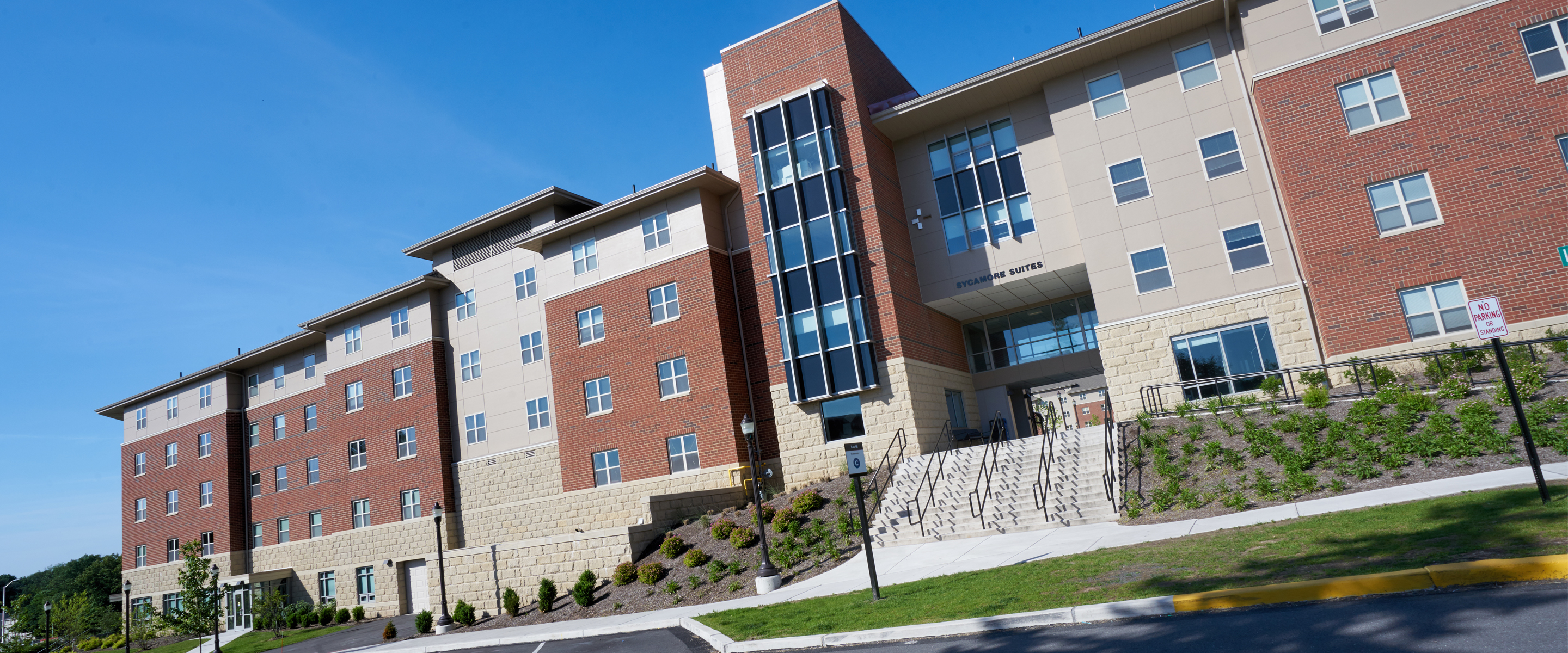
Sycamore Suites, Lower Level, 011
(570) 422-2277
Acting Equal Opportunity and Title IX Coordinator
Sandra Toro
titleixreport@esu.edu